
How to Choose the Best Payment Methods for Online Casinos in Canada: A Complete Guide to Deposits and Withdrawals in 2026
I've been playing at online casinos in Canada for years, and I can tell you from experience that choosing the right payment method can make or break your gaming experience. It's not just about getting money into your account—it's about how quickly you can access your winnings, how much you'll pay in fees, and how secure your financial information remains throughout the process.
In 2026, Canadian players have more payment options than ever before. From traditional credit cards to cutting-edge cryptocurrency wallets, the choices can feel overwhelming. But don't worry—I'm here to walk you through everything you need to know to make an informed decision that suits your specific needs and playing style.
Understanding Payment Methods in Canadian Online Casinos
Let me start by explaining why your payment method choice matters so much. When I first started playing online, I didn't give much thought to how I deposited or withdrew funds. I quickly learned that this oversight cost me time, money, and unnecessary frustration.
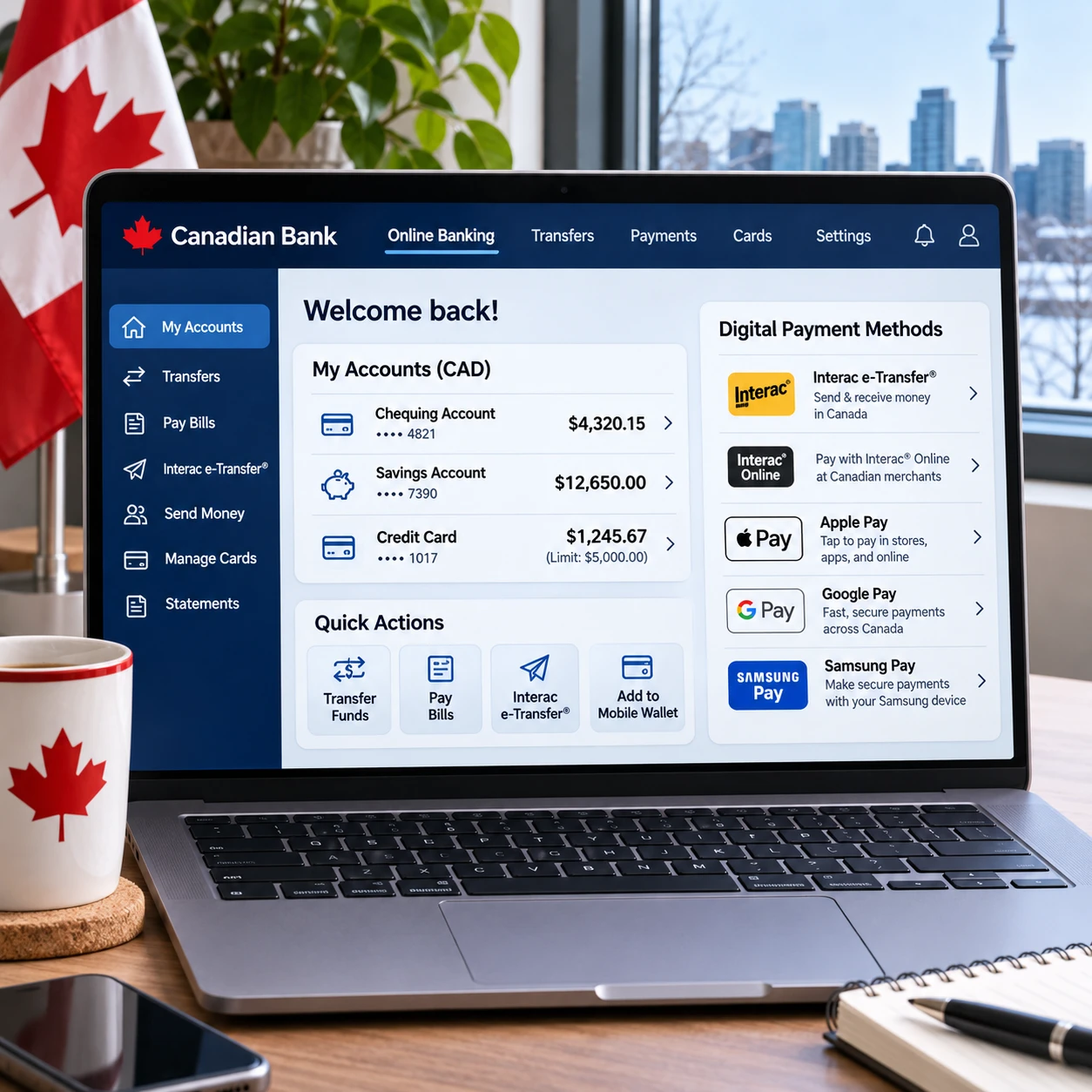
The payment landscape for Canadian online casino players in 2026 is diverse and sophisticated. We have access to e-wallets like Interac e-Transfer, PayPal, Skrill, and Neteller—each offering instant deposits and relatively fast withdrawals. Traditional credit and debit cards from Visa and Mastercard remain widely accepted, though they come with their own sets of advantages and limitations.
Bank transfers have evolved significantly, becoming faster and more user-friendly than the sluggish wire transfers of the past. Prepaid vouchers like Paysafecard offer anonymity for players who prefer not to link their bank accounts directly to gaming sites. And then there's cryptocurrency—Bitcoin, Ethereum, and other digital currencies have emerged as legitimate alternatives for players seeking maximum privacy and minimal processing times.
Each method impacts your overall gaming experience differently. Some offer lightning-fast deposits but slower withdrawals. Others minimize fees but require more setup time. Understanding these trade-offs is essential for optimizing your online casino experience.
Key Factors to Consider When Choosing a Payment Method
Over the years, I've identified several critical factors that should guide your payment method selection. These aren't just theoretical considerations—they're practical elements that affect your bankroll and satisfaction every time you play.
Processing Speed and Payout Times
Here's something I learned the hard way: deposit speed and withdrawal speed are two completely different animals. Nearly every payment method offers instant or near-instant deposits—casinos want your money in their system as quickly as possible. Withdrawals, however, are where the real differences emerge.
I've waited anywhere from a few hours to several days for withdrawals, depending on the method I chose. E-wallets typically process within 24 hours, while bank transfers can take three to five business days. Credit card withdrawals, when available, often fall somewhere in between.
If you're someone who values quick access to your winnings—and honestly, who doesn't?—you should specifically look for fast payout casino Canada options that prioritize expedited withdrawal processing. These casinos have streamlined their verification and payment systems to get your money back to you in hours rather than days.
Cryptocurrency has become my go-to for speed. Bitcoin withdrawals can process in under an hour at crypto-friendly casinos, though you do need to factor in blockchain confirmation times. For players prioritizing speed above all else, crypto and e-wallets are typically your best bets in 2026.
Fees and Transaction Costs
Nothing frustrates me more than hidden fees eating into my winnings. I've learned to scrutinize every payment method's fee structure before committing to it.
Most reputable online casinos don't charge deposit fees, but withdrawal fees are more common. E-wallets might charge 1-3% for withdrawals. Credit card transactions can include currency conversion fees if the casino operates in a different currency than Canadian dollars. Bank transfers often come with flat fees ranging from $10 to $30, which can significantly impact smaller withdrawals.
Currency conversion is particularly sneaky. If you're depositing in CAD but the casino processes in USD or EUR, you'll face conversion rates that typically aren't in your favor. I always check whether a casino supports direct CAD transactions before signing up.
Cryptocurrency transactions involve blockchain network fees, which fluctuate based on network congestion. During busy periods, these fees can spike unexpectedly. However, some crypto-focused casinos absorb these costs, making them fee-free for players.
Most Popular Payment Methods for Canadian Players in 2026
Let me break down the payment methods I've used extensively and what I've learned about each one.
E-Wallets (Interac, PayPal, Skrill, Neteller)
E-wallets dominate the Canadian online casino market, and for good reason. Interac e-Transfer has become my personal favorite because it's specifically designed for Canadians. Nearly every bank in Canada supports it, and most online casinos catering to Canadian players accept it.
What I love about Interac is its familiarity—I'm using the same system I use to send money to friends and family. Deposits are instant, and withdrawals typically process within 24 hours. The fees are minimal or non-existent at many casinos.
PayPal entered the Canadian online gambling space more prominently in recent years, bringing with it the trust and security of one of the world's most recognized payment brands. Transactions are fast, and PayPal's buyer protection policies add an extra security layer.
Skrill and Neteller have long been staples in the online gambling world. They're accepted at virtually every international casino and offer VIP programs that reduce fees for frequent users. I keep accounts with both as backups, though I primarily use Interac for Canadian-focused sites.
Credit and Debit Cards (Visa, Mastercard)
Credit and debit cards are the old reliable option. Nearly everyone has one, and they're accepted almost everywhere. I still use my Visa card occasionally, particularly when trying new casinos or when other methods aren't available.
The main advantage is convenience—no separate account to set up or fund. You enter your card details and you're done. Most deposits process instantly.
However, I've encountered limitations. Some Canadian banks block gambling-related credit card transactions due to regulatory concerns or internal policies. This has improved in 2026, but it's still not universal. Debit cards generally face fewer restrictions.
Withdrawal to credit cards can be problematic. Many casinos don't offer this option, or if they do, processing times stretch to 3-7 business days. When I use cards for deposits, I typically plan to withdraw via an alternative method like e-transfer.
Cryptocurrency Options (Bitcoin, Ethereum)
Cryptocurrency has transitioned from niche to mainstream in the online casino world. I was skeptical at first, but after experiencing the speed and privacy benefits, I've become a convert for certain situations.
Bitcoin remains the most widely accepted cryptocurrency at online casinos. Deposits are typically confirmed within 10-30 minutes, and withdrawals can process in under an hour. The anonymity is genuine—no need to share banking details with the casino.
Ethereum offers similar benefits with sometimes faster transaction times due to its blockchain architecture. Some newer casinos also accept Litecoin, Bitcoin Cash, and even stablecoins like USDT, which eliminate cryptocurrency volatility concerns.
The learning curve is real, though. You need to set up a crypto wallet, purchase cryptocurrency through an exchange, and understand wallet addresses and blockchain confirmations. For tech-savvy players or those prioritizing privacy and speed, it's absolutely worth the effort. For casual players who just want simplicity, traditional methods might be more appropriate.
Security and Safety Considerations
I cannot stress enough how important security should be in your payment method selection. I've seen friends lose money to fraudulent sites, and I've made it my mission to only use secure payment channels at licensed casinos.
First, verify that your chosen casino uses SSL encryption—look for the padlock icon in your browser's address bar. This encrypts data transmitted between your device and the casino's servers, protecting your financial information from interception.
Payment processors themselves should be reputable and licensed. Companies like Interac, PayPal, and established e-wallet providers maintain strict security standards. When a casino partners with these processors, it signals legitimacy.
I always check licensing information before depositing. Legitimate Canadian-facing online casinos hold licenses from authorities like the Malta Gaming Authority, UK Gambling Commission, or Kahnawake Gaming Commission. These regulators require casinos to maintain secure payment processing systems and segregate player funds from operational funds.
Red flags to watch for include casinos that only accept unusual payment methods, lack SSL certificates, or have numerous complaints about payment issues. I consult review sites and player forums before trying new casinos—the collective experience of other players has saved me from several questionable operators.
Two-factor authentication is another security feature I enable whenever available. Both for my casino accounts and my e-wallet accounts, that extra verification step significantly reduces the risk of unauthorized access.
Canadian-Specific Payment Regulations and Tax Implications
Understanding the legal and tax landscape has been essential for my peace of mind. Canada has a relatively player-friendly approach to online gambling, but there are nuances worth knowing.
Online gambling regulations in Canada are primarily provincial matters. While no province explicitly prohibits residents from playing at international online casinos, each province has its own government-run platforms. Payment processors and banks must comply with federal anti-money laundering regulations, which occasionally affects how transactions are processed.
The good news for Canadian players—and this is one of my favorite aspects of gambling in Canada—is that casino winnings are not taxable. The Canada Revenue Agency considers gambling winnings to be windfalls, not income. Whether I win $100 or $100,000, I don't owe taxes on it.
However, I maintain detailed records of my deposits and withdrawals anyway. If I ever face questions about large deposits into my bank account, I want documentation proving the funds came from legitimate gambling activity. I keep casino account statements and transaction confirmations for at least a year.
Professional gamblers face different rules. If gambling is your primary income source, the CRA may classify you as operating a business, making your winnings taxable. For recreational players like most of us, this isn't a concern.
Currency reporting regulations require financial institutions to report international transfers over $10,000. This doesn't make the transaction illegal, but it triggers reporting requirements. I factor this into my withdrawal planning when I've had particularly lucky sessions.
Common Payment Mistakes to Avoid
I've made plenty of mistakes with casino payments over the years. Let me help you avoid the same pitfalls.
One of the biggest errors I see is ignoring withdrawal limits. Many casinos impose daily, weekly, or monthly withdrawal caps. I once won a substantial amount only to discover I could only withdraw $2,500 per week, stretching my payout over several weeks. Now I check withdrawal limits before depositing—they're usually listed in the casino's terms and conditions.
Failing to verify account details before depositing is another costly mistake. Most casinos require identity verification before processing withdrawals. I learned to complete this verification immediately after registering, uploading my ID and proof of address while waiting for my first deposit to clear. This prevents frustrating delays when I want to withdraw winnings.
Mixing payment methods causes problems at some casinos. For security and anti-money laundering reasons, many operators require you to withdraw using the same method you deposited with. If I deposit with my Visa card but want to withdraw to Interac, I might face complications. I now stick with one primary method per casino unless there's a compelling reason to switch.
Overlooking payment-method-specific bonus terms has cost me bonus eligibility more than once. Some casinos exclude certain payment methods from promotions or offer different bonus amounts based on your deposit method. Skrill and Neteller are frequently excluded from welcome bonuses at European-licensed casinos. I always read the bonus terms carefully before depositing.
Finally, neglecting to read minimum and maximum deposit/withdrawal amounts has caught me off guard. Some methods have $20 minimums while others require $50. Cryptocurrency withdrawals often have higher minimums due to network fees. Planning ahead prevents situations where I can't access funds because they're below the minimum withdrawal threshold.
Tips for Optimizing Your Deposit and Withdrawal Experience
After years of trial and error, I've developed a system that maximizes efficiency and minimizes headaches with casino payments.
First, complete account verification immediately. Don't wait until you have a pending withdrawal. Upload your identification documents and proof of address as soon as you register. This single step has saved me countless hours of waiting.
Choose a primary payment method and stick with it at each casino. Consistency simplifies record-keeping and avoids the mixing-methods issues I mentioned earlier. I use Interac as my primary method at Canadian-focused casinos and Bitcoin at international crypto-friendly sites.
Take advantage of payment-specific bonuses when they make sense. Some casinos offer enhanced bonuses for deposits made with certain methods. I've received extra free spins and higher match percentages by using preferred payment options. However, I never let bonus hunting push me toward unsuitable payment methods—the core functionality matters more than a few extra dollars in bonus funds.
Maintain a buffer in your e-wallet accounts. I keep a small balance in my Interac-connected account specifically for online gambling. This separation helps me budget effectively and keeps my primary banking distinct from gambling activities. It also means I can deposit quickly when opportunities arise without transferring funds between accounts first.
Document everything. I maintain a simple spreadsheet tracking deposits, withdrawals, methods used, and dates. This takes minimal effort but provides valuable data for analyzing my gambling patterns and serves as proof of transaction history if disputes arise.
Finally, diversify your payment options. While I recommend consistency at individual casinos, having multiple verified methods available provides flexibility. My primary setup includes Interac, a Visa card, and a Bitcoin wallet. If one method experiences issues—and they occasionally do—I have immediate alternatives.
Choosing the best payment method for online casinos comes down to balancing your priorities: speed, security, fees, and convenience. If fast payouts are your top priority, focus on e-wallets and cryptocurrency. If you value simplicity and familiarity, credit cards and Interac might be your best choice. For maximum privacy, cryptocurrency stands alone.
Whatever you choose, prioritize security above all else. Use reputable payment methods at licensed casinos, verify your accounts early, and maintain good records. With the right approach, managing your online casino finances becomes a seamless part of your gaming experience rather than a source of stress. Here's to smooth deposits and even smoother withdrawals in 2026!
